
An article on how to talk about experiencing violence, the disappearance of loved ones, and the need for psychological support during wartime.

 Many people think that the main consequences of war are the destruction of cities or losses on the front lines.
But there is another dimension less visible, but no less painful. It is the experience of violence that does not disappear even in the rear. It is years of uncertainty for families searching for missing loved ones. It is a life divided into “before” and “after,” where every day becomes a test of endurance.
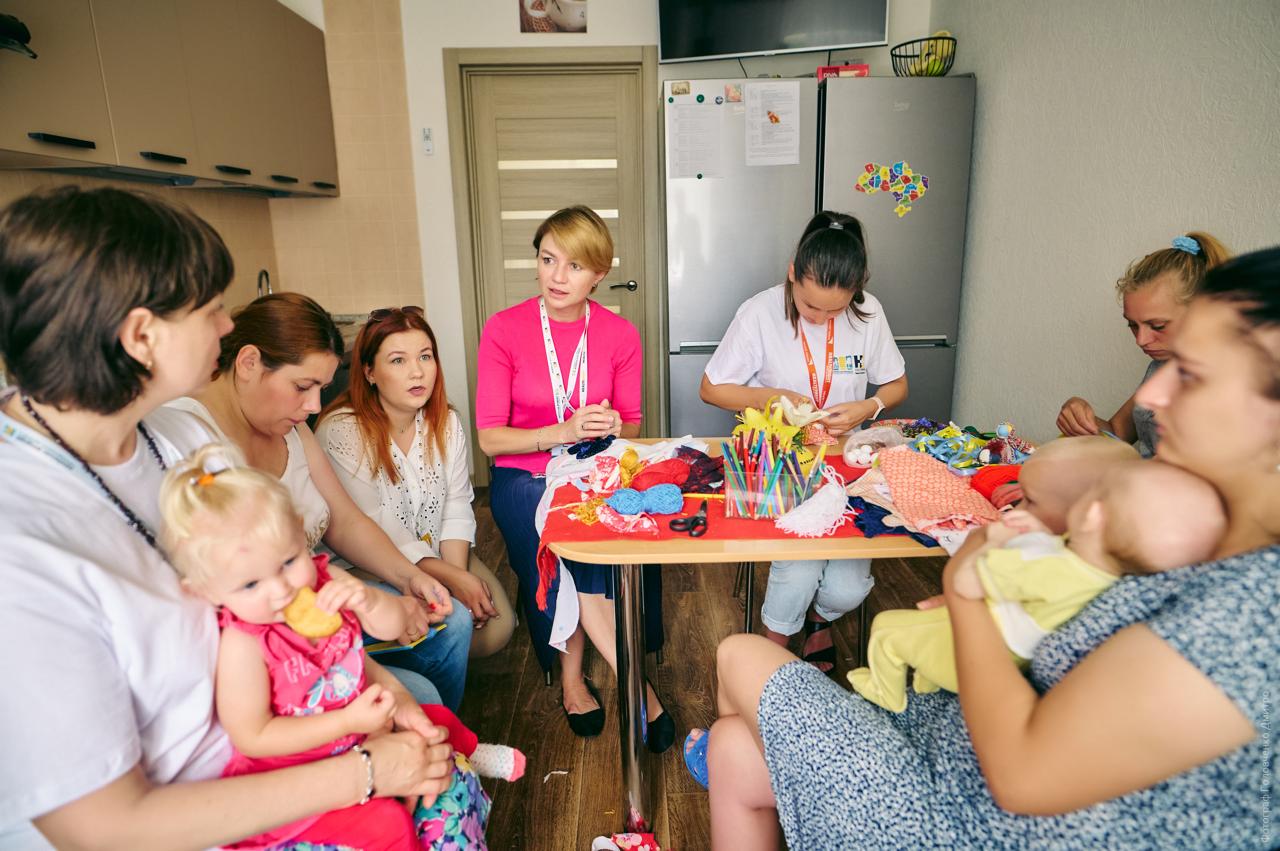
Those who have survived these traumas need more than just safety. They need support that restores their trust in people and the world. Psychological assistance and social protection are not secondary issues, but the key to recovery. They allow a person to feel that their pain has been heard and their experience has not gone unnoticed.
 That is why we are working to ensure that communities have specialists, mobile teams, and crisis rooms. So that there is always a point of support nearby. Because everyone has the right to be seen and to have a chance for a new beginning.
 In August, we are particularly mindful of this. On August 22, the world talks about people who have survived violence. On August 30, we talk about those whose loved ones have gone missing. For Ukraine, this is not just a calendar formality. It is about the current reality of thousands of families.
 Halyna Skipalska, Director of HealthRight International in Ukraine and Executive Director of the ICF 'Ukrainian Foundation for Public Health', shares important thoughts on how to talk about experiencing violence, the disappearance of loved ones, and the need for psychological support during war.
 These are issues that remain painful for thousands of Ukrainian families and at the same time pose a new challenge for the state and civil society.
 Read Halyna's column on Hromadske Prostir
